LP  ―  Abbreviation: long playing;

1. a vinyl phonograph record played at 33 1/3 rpmand typically containing seven or more tracks, or oneor more long classical pieces.

2. a full-length music album, typically comprised of ten to sixteen songs: called LP as an evolution of the traditional long-playing record, albums in other formats are not known by the underlying expanded form, and identified only by the abbreviation.
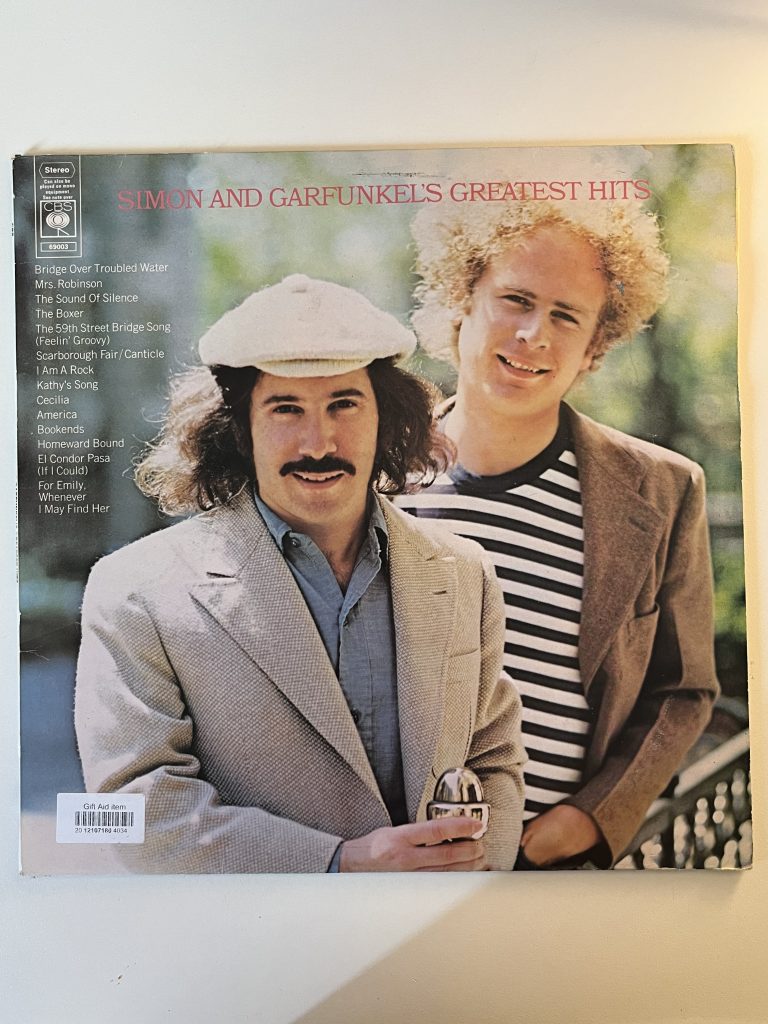
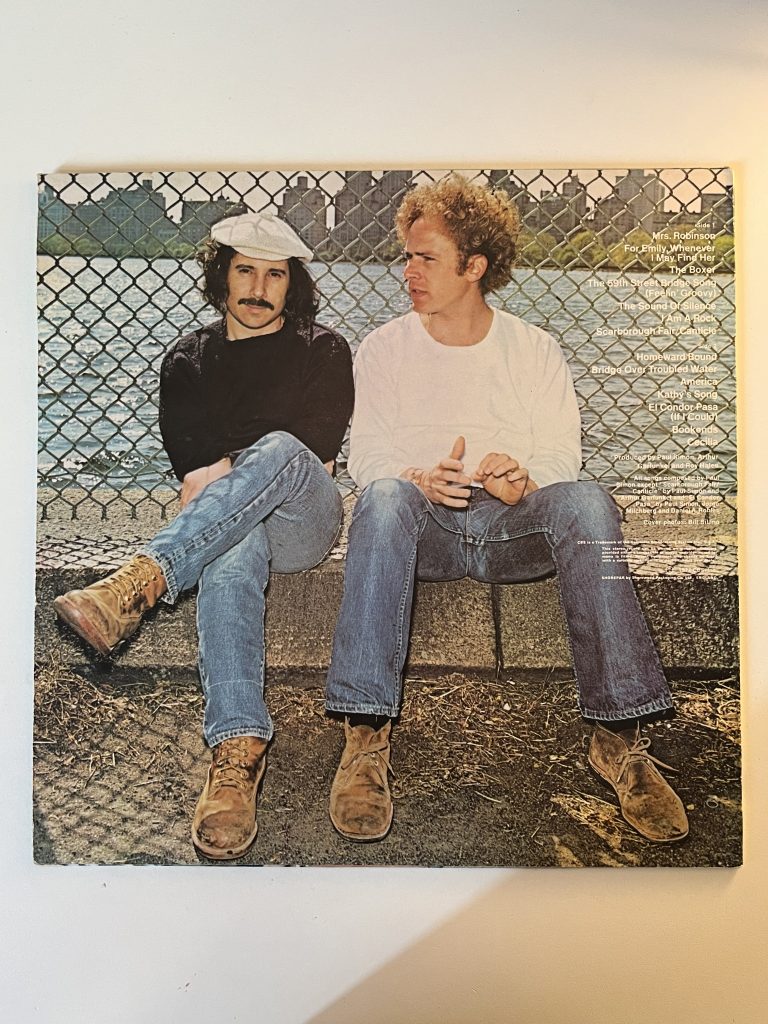
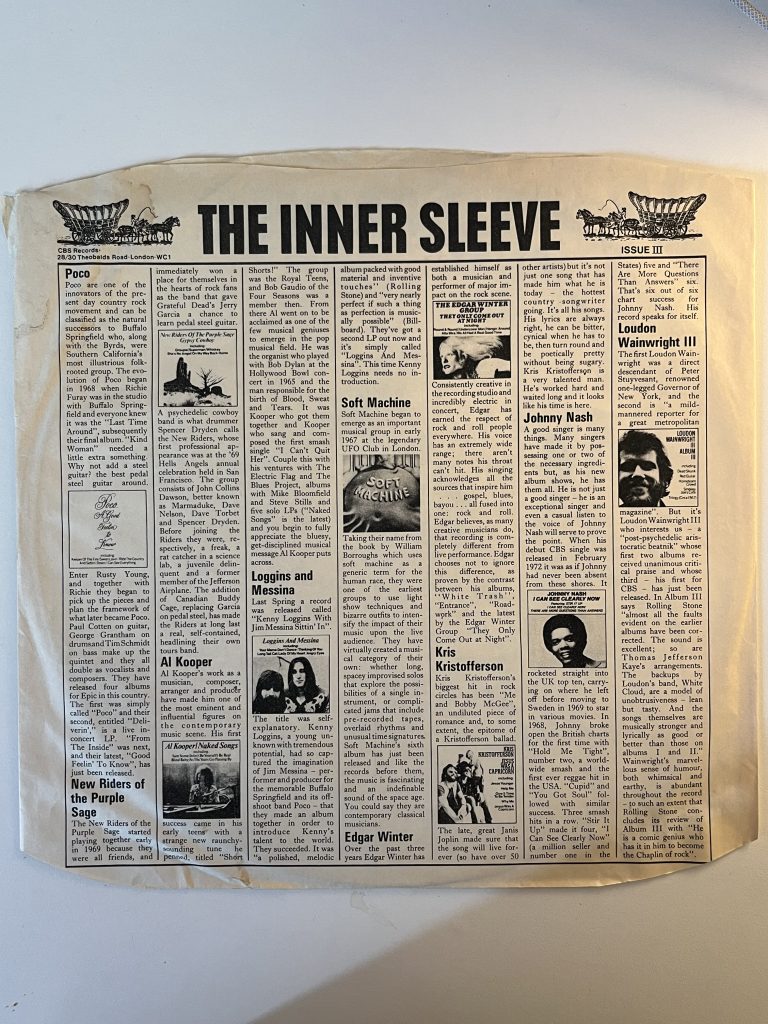
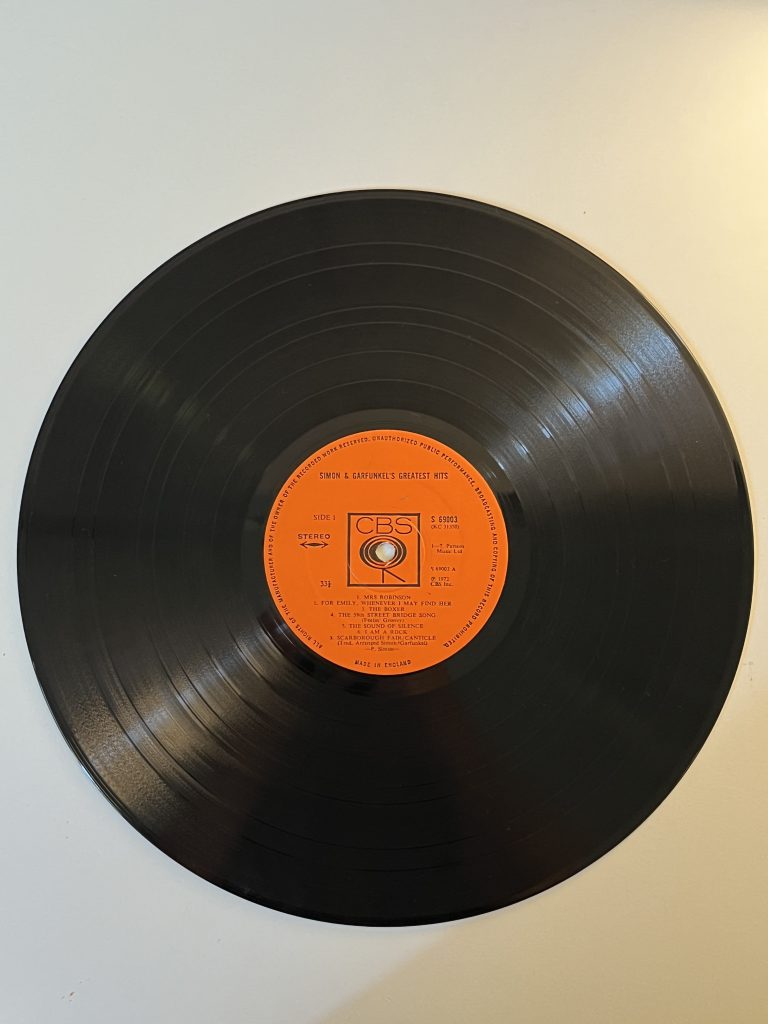
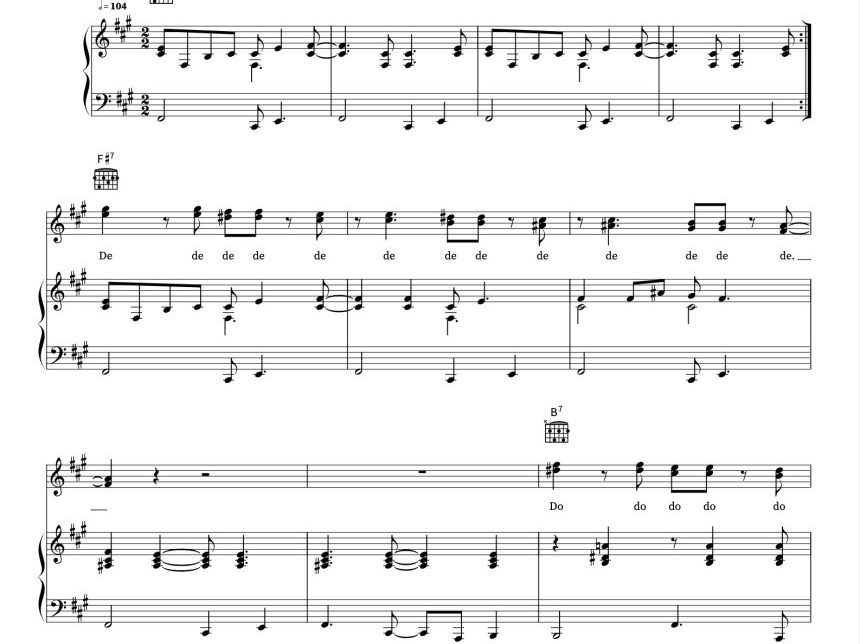
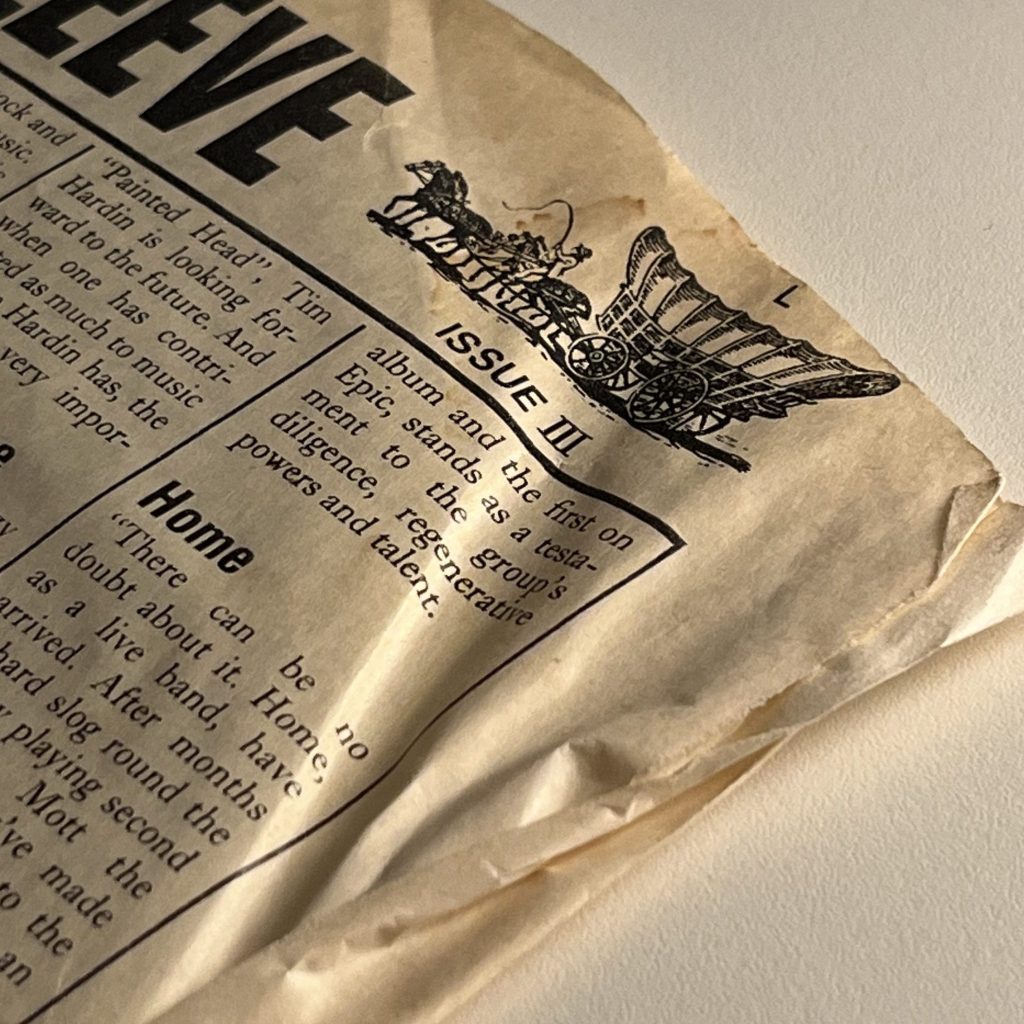
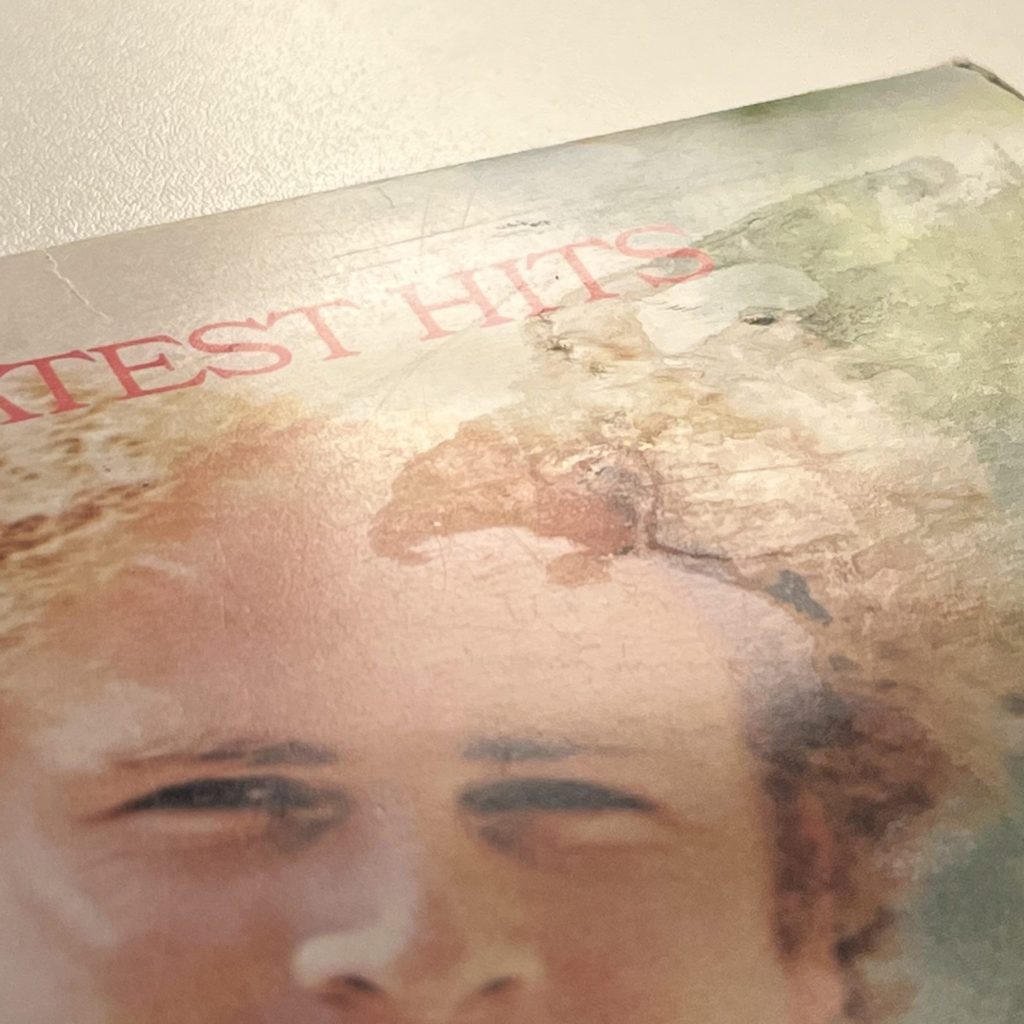
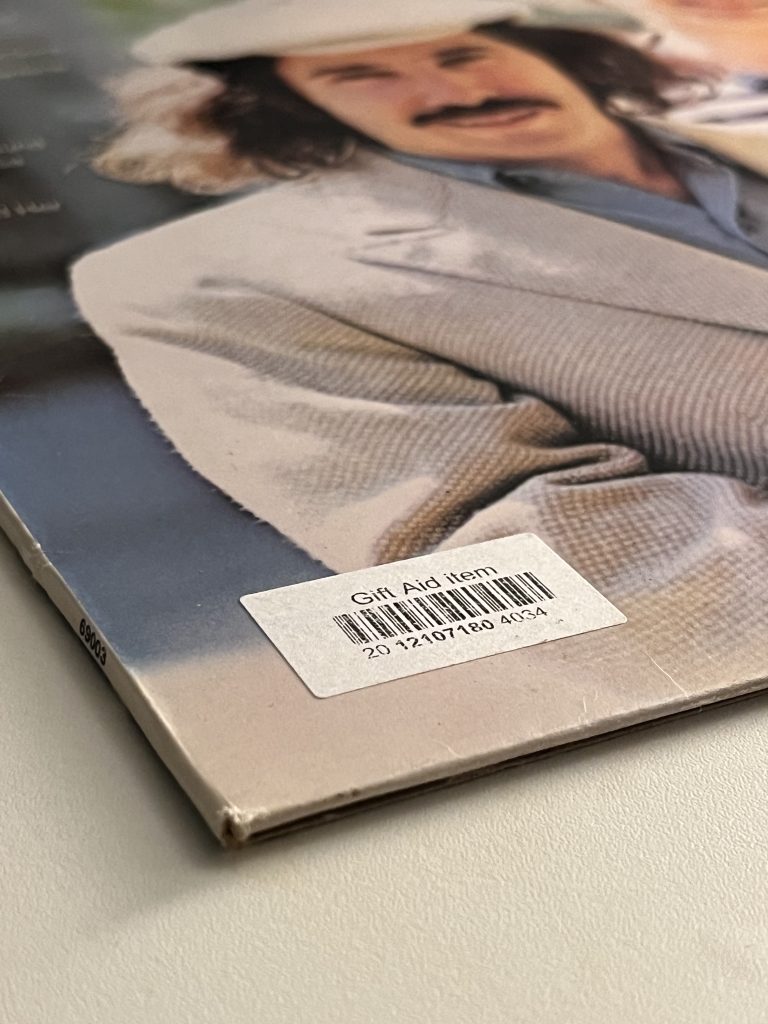
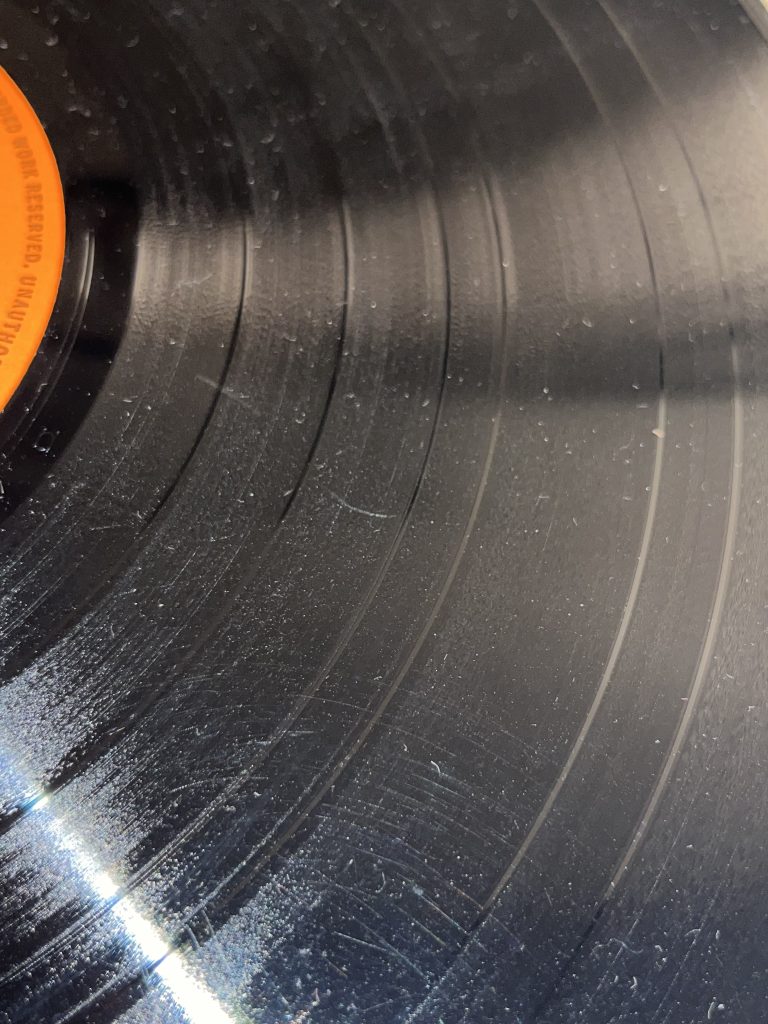
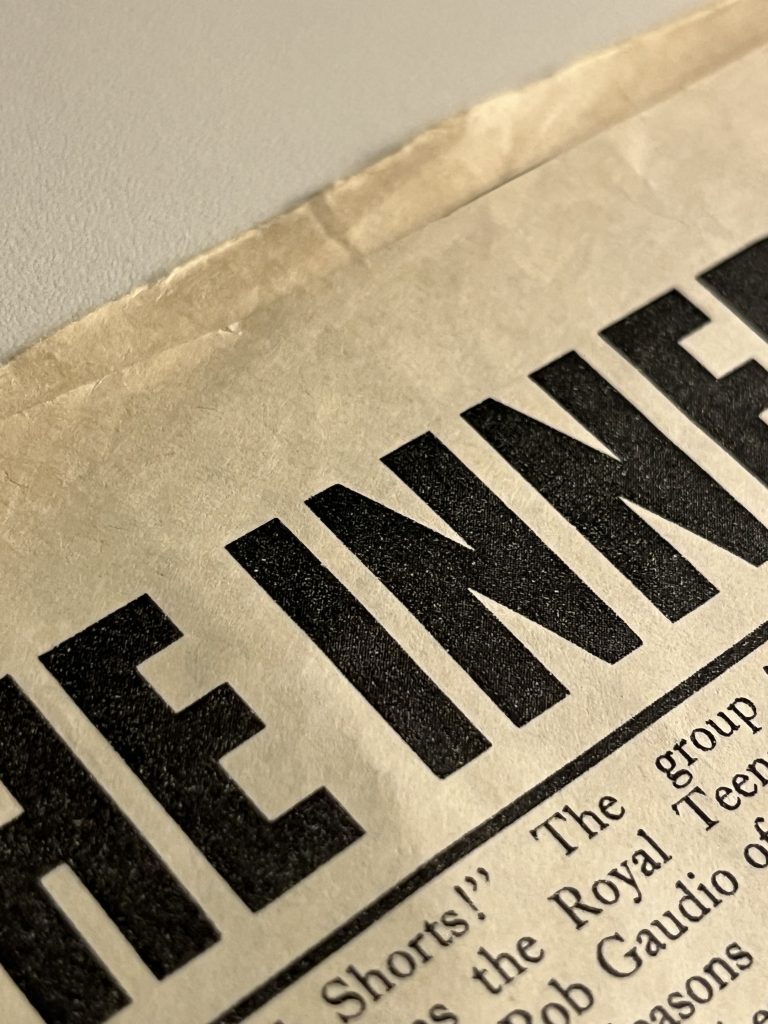
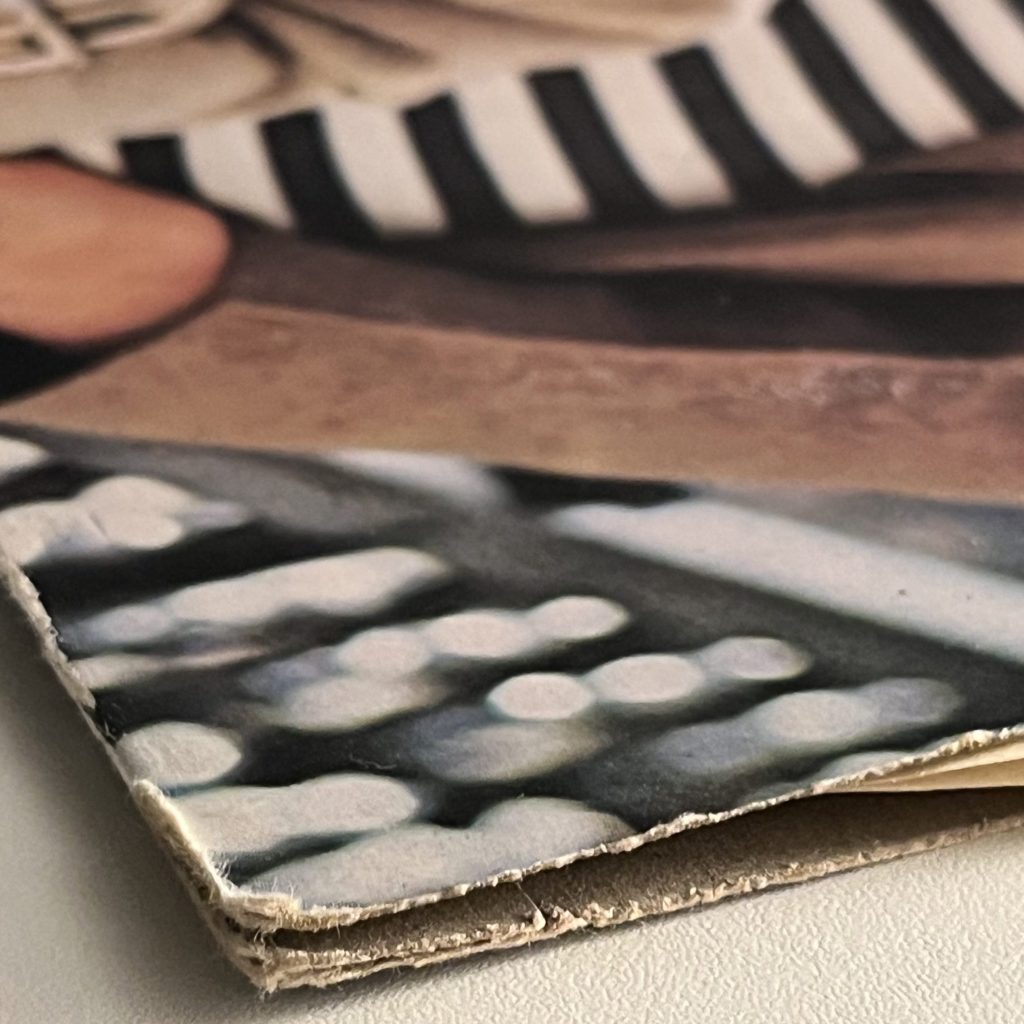
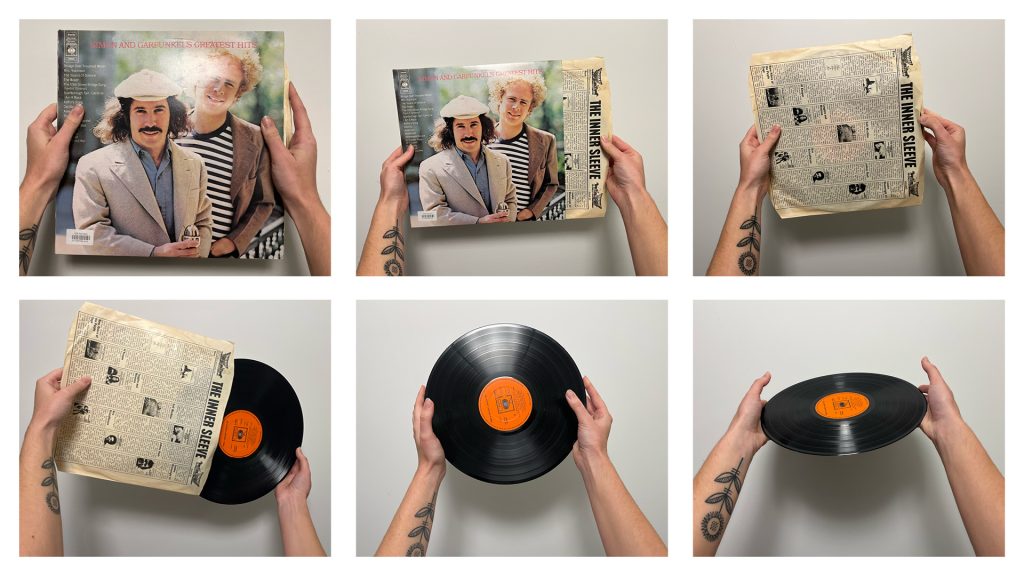
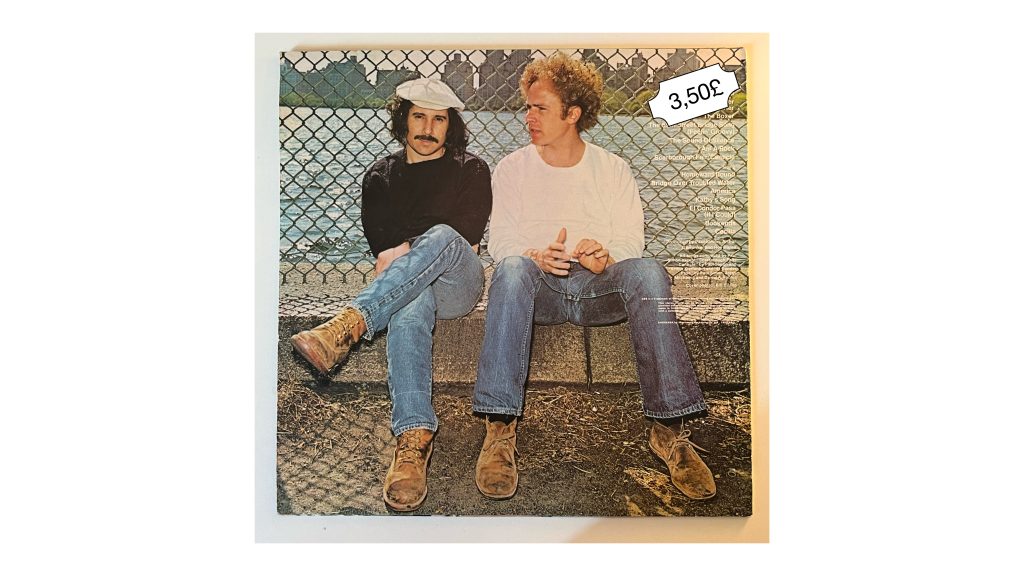
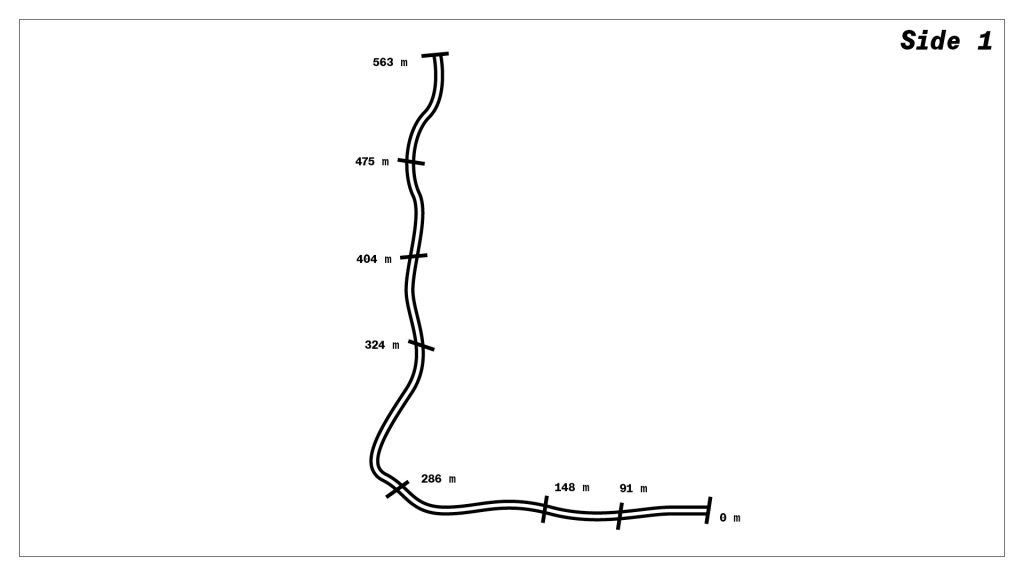
I found this LP in one of the second-hand shops in the west part of Southampton. This LP was created in 1972 in England, so it has its own story. The cover looks shabby; however, it is still in good condition. There is a “Gift Aid Item” sticker in the lower left corner, which I am not going to remove. The corners are slightly bent, and its once vibrant colors have gently faded over time. The inner cover adapted to “The Inner Sleeve” newspaper of the 70s with the main music events of that time. It has a smell of an old book soaked in cigarette smoke and has traces of coffee cup circles on it. A fine layer of dust blankets the record. There is rain outside. I put the LP on the record player, and it starts spinning clockwise. There are the first 10 seconds of special silence with a light rustling sound. Side 2 displays more noticeable scratches compared to Side 1, particularly affecting tracks like “Kathy’s Song,” “America,” and “For Emily.” Perhaps the previous owner had a preference for the songs on Side 2 over those on Side 1.
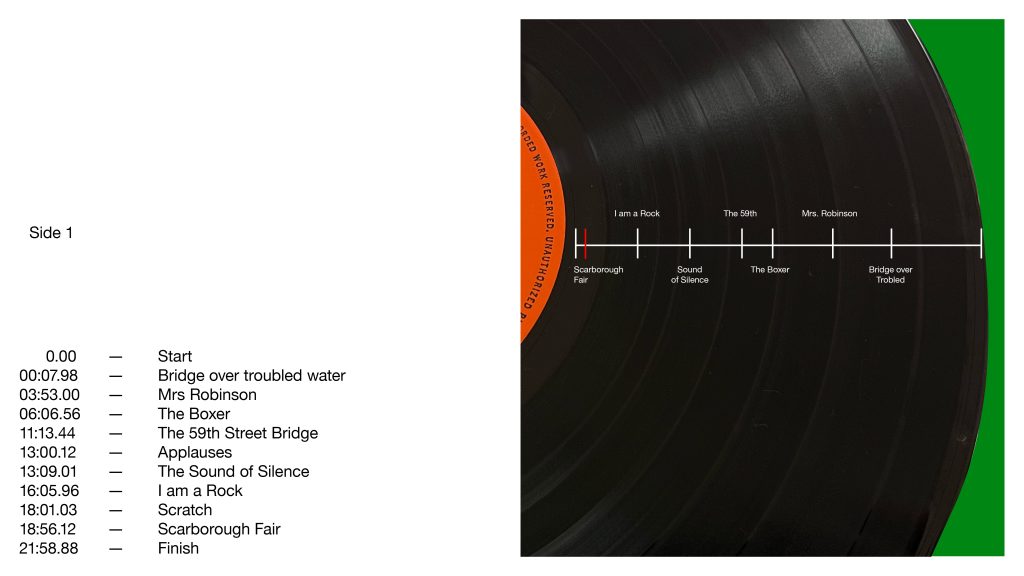
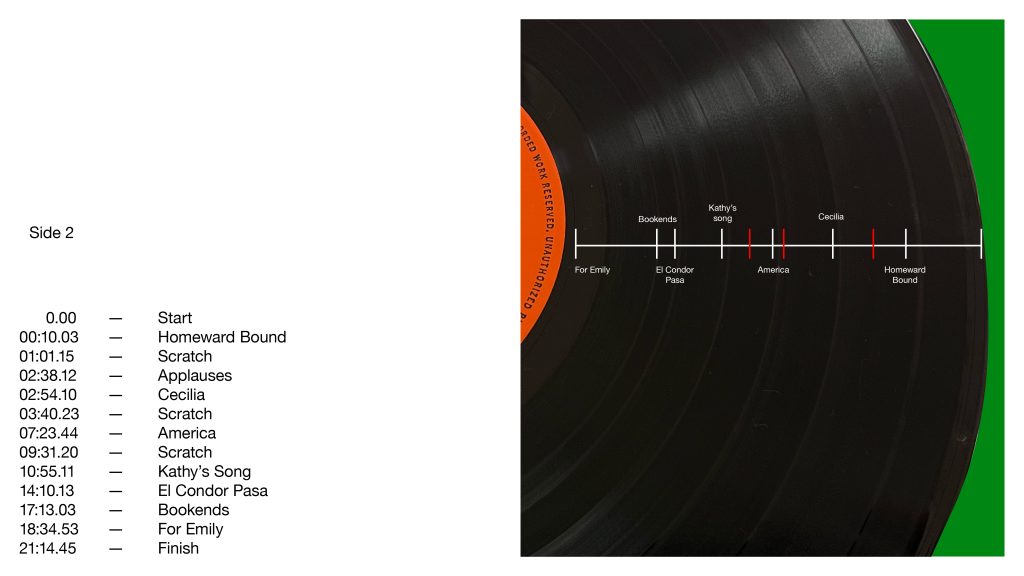
Side 1 + Side 2 = 42.72 min
33 rotations per minute
1419 rotations per 42.72 min
And yet I am troubled; it would take so little to make the record stop: a broken spring, the whim of Cousin Adolphe. How strange it is, how moving, that this hardness should be so fragile. Nothing can interrupt it yet it can break it.The last chord has died away. In the brief silence which follows I feel strongly that there is, that SOMETHING HAS HAPPENED. Silence.
Jean-Paul Sartre, Nausea
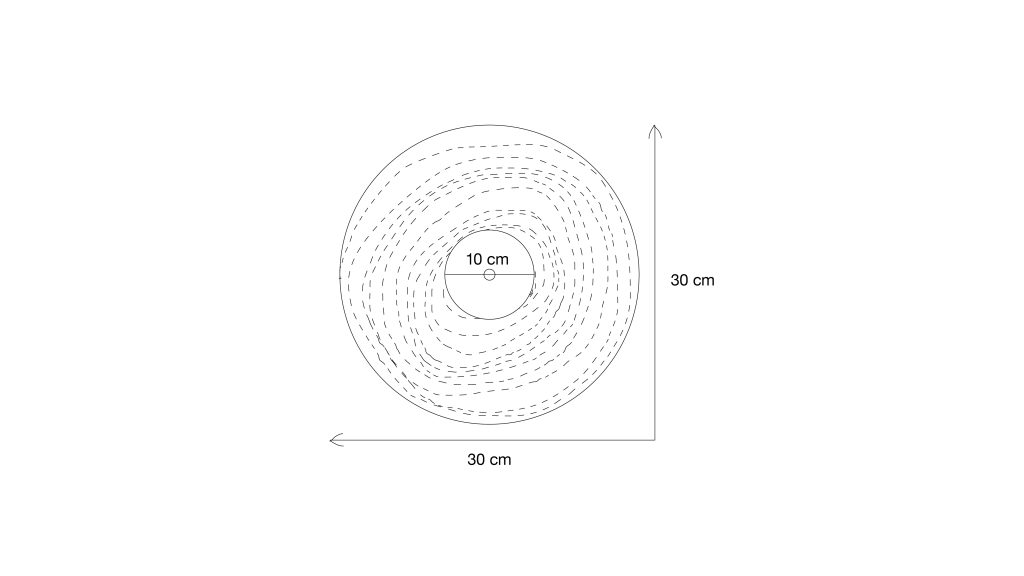
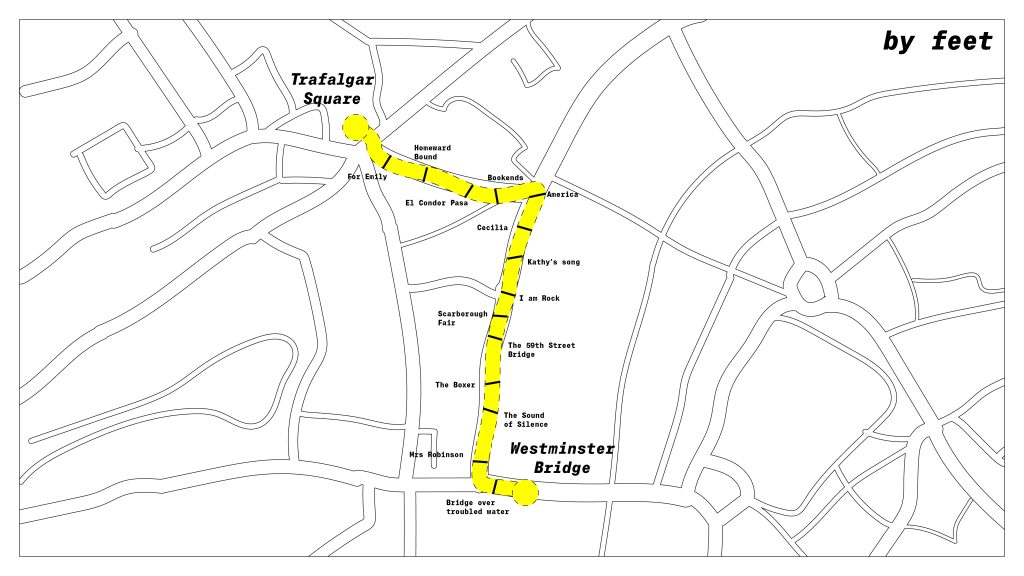
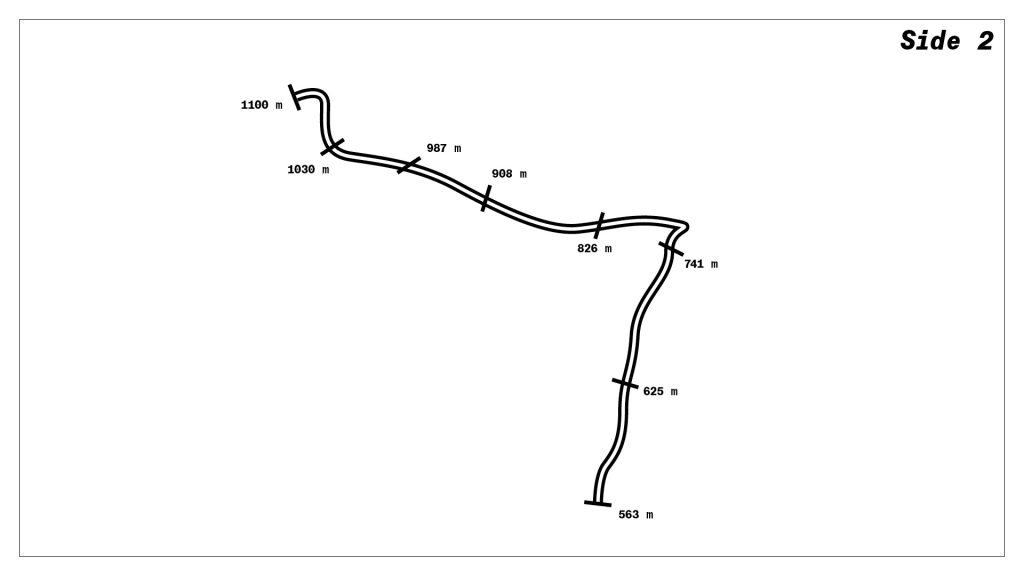
1100 meters is the length of the soundtrack.
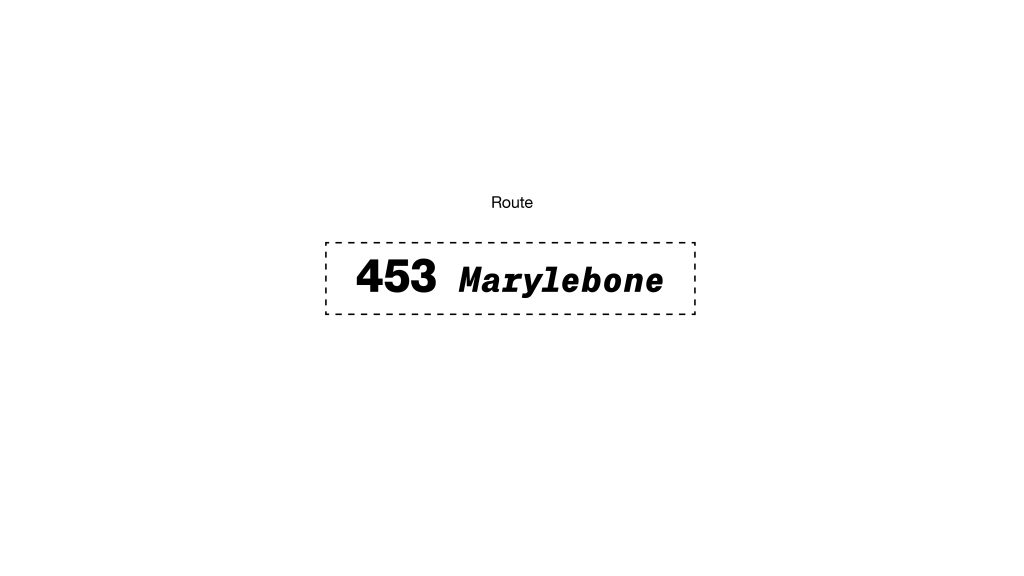
It is a 15-minute walking distance from Westminster Bridge to Trafalgar Square.
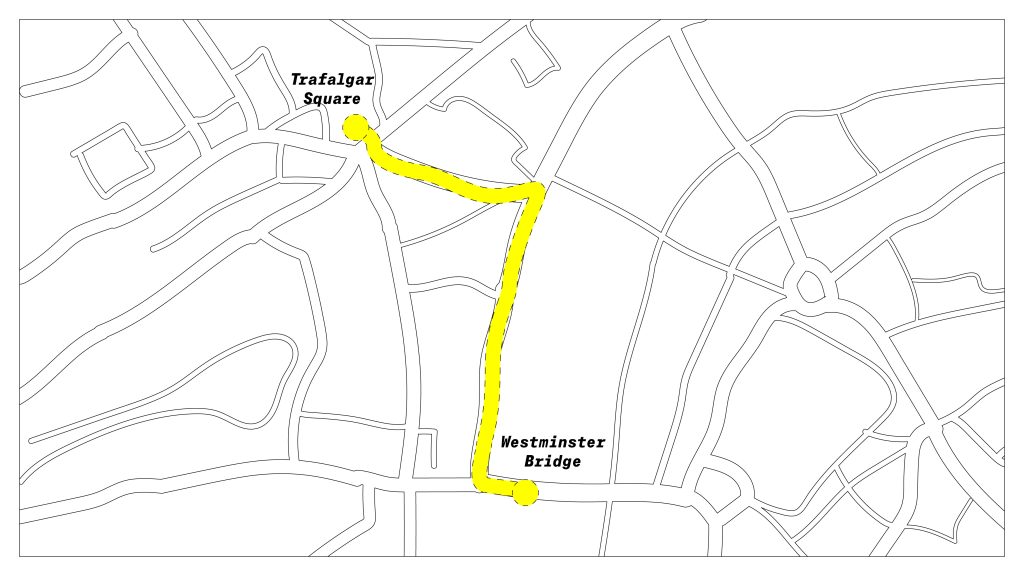
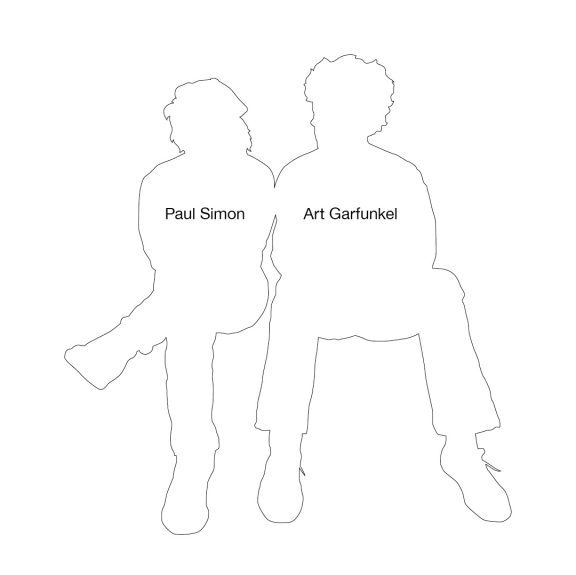
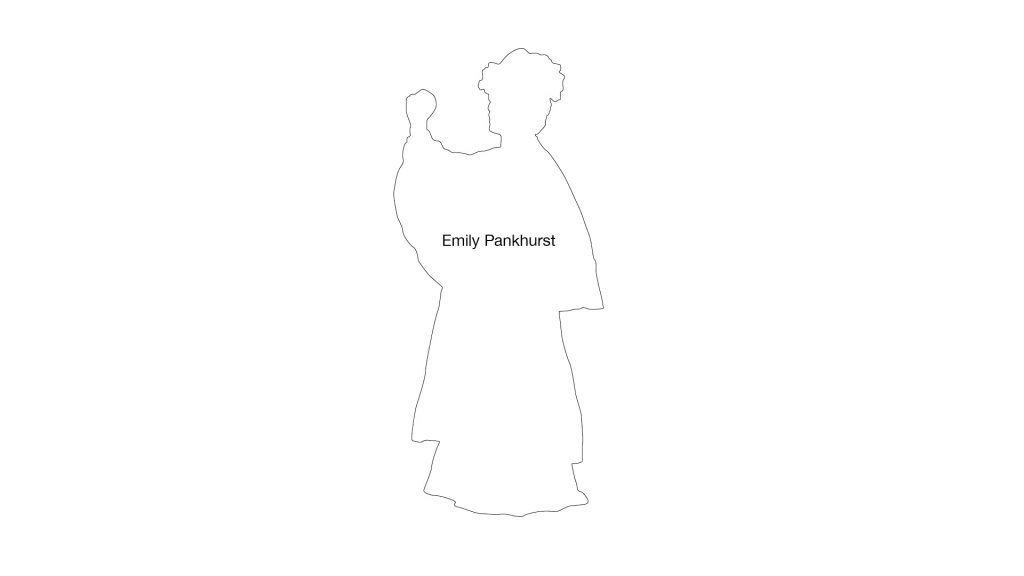
The name of the first song is ‘Bridge over Troubled Water.’ That’s why the route starts on Westminster Bridge. The last song is called ‘For Emily.’ Emily Pankhurst, who organized the UK suffragette movement, delivered her first speech in Trafalgar Square in 1908.
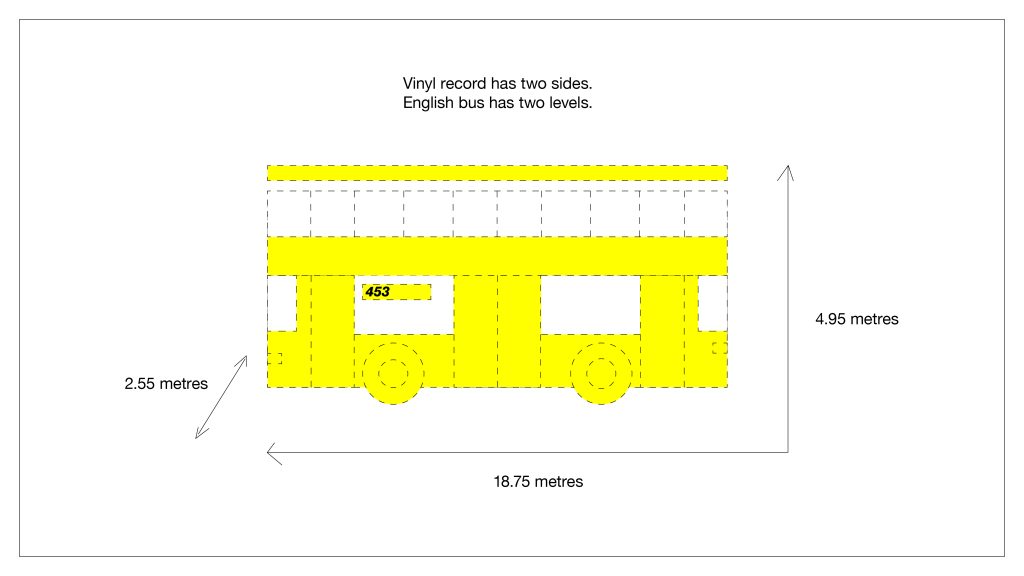
Feet or a route bus serve a similar function to a needle. They help us navigate established routes, much like a needle helps produce sound on a record.
Analogies
My aim in this project is to investigate the city through the soundtrack. This project represents an observation of the collaboration between the past and the present, the intersection of a secondhand record and a modern city. I have sought analogies and similarities between the two using visual and auditory elements such as lyrics, patterns, sounds, and song composition itself. The vinyl helped me emphasize this uniqueness, particularly through a comparison of the micro and macro worlds.
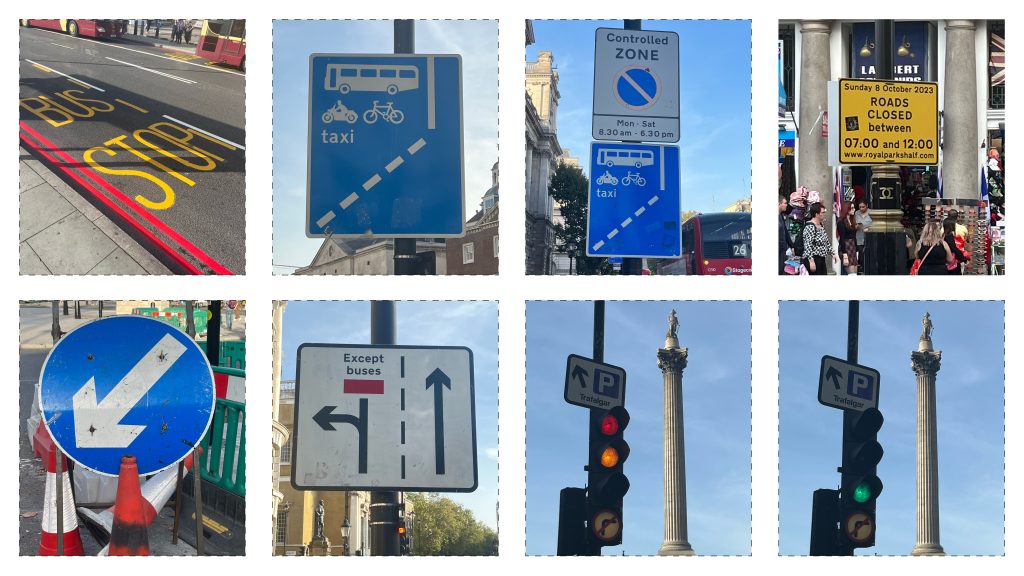
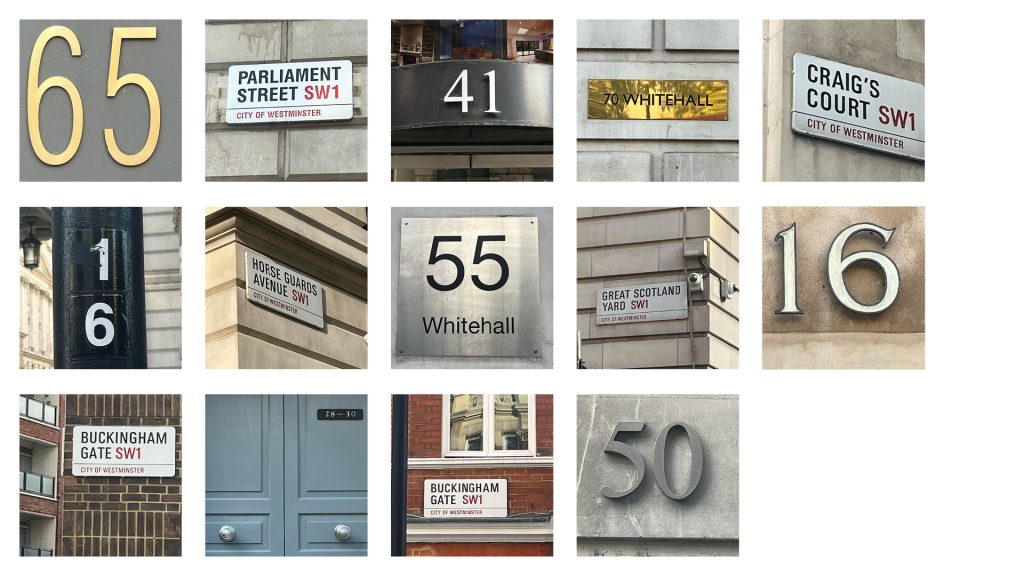
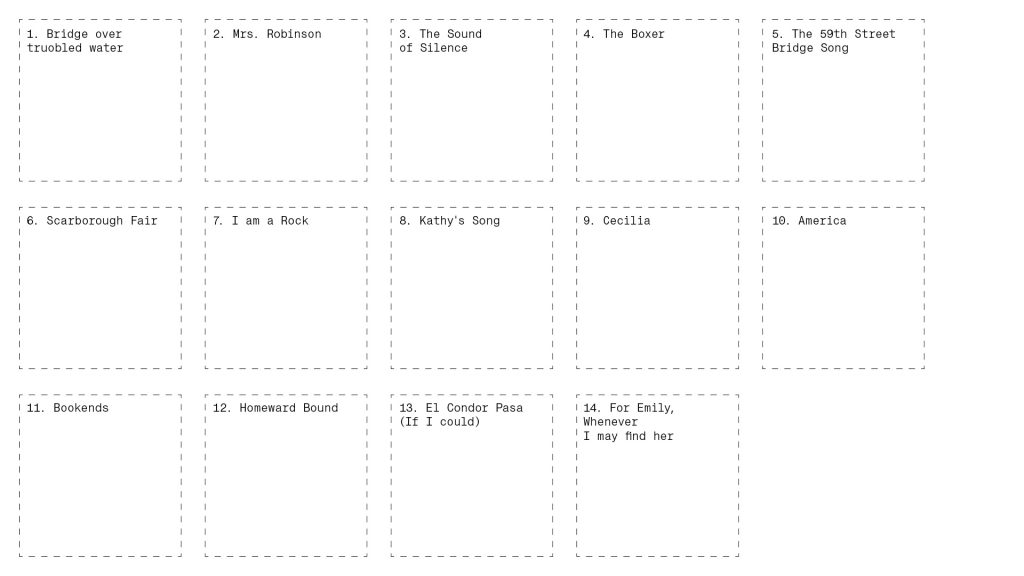
Road signs help us reach our destination by showing us the right way
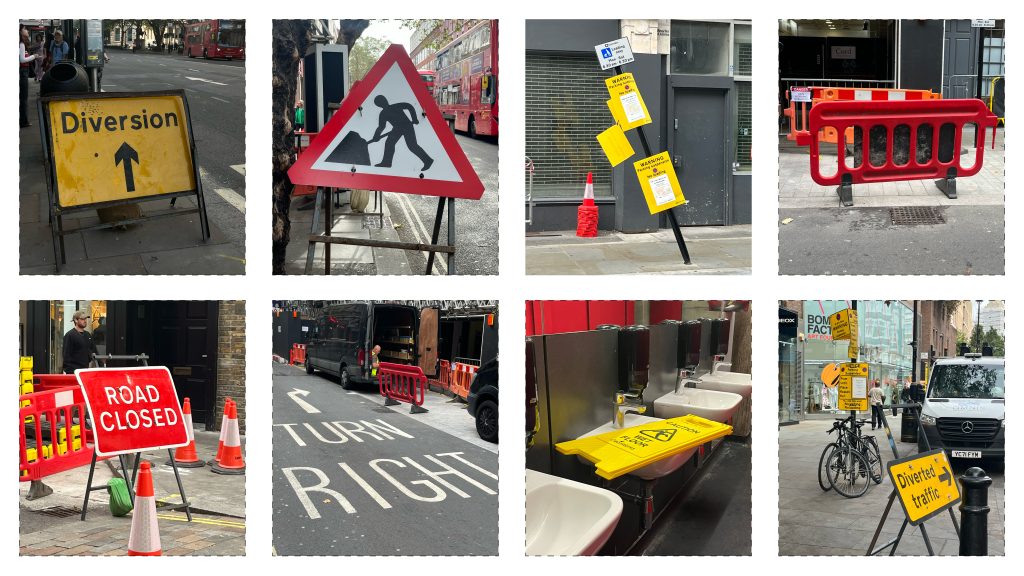
Diversion signs have a scratch function. They distort the original version of the route.
The final presentation
My final project consists of two distinct parts on the screen: the left part represents an industrial environment, while the right part is dedicated to a soundtrack. After conducting my investigation, I discovered numerous intriguing similarities between these two seemingly different worlds.
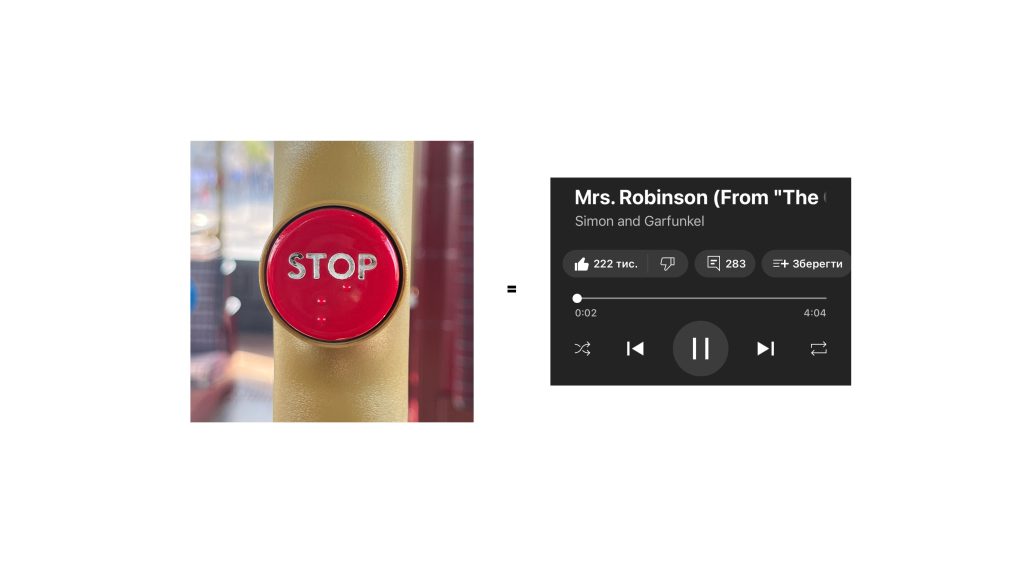
For instance, road signs serve as guides in the city, much like a needle’s path on a record. Diversion signs act as a kind of ‘scratch’ function, preventing us from hearing the original, fresh variation of the song. The patterns of swings on children’s playgrounds mirror the patterns found on the vinyl record. The noise of a passing subway and the applause that follows a song blend into each other seamlessly. The rhythm of a ping-pong game aligns with the melody, mirroring the creative exchange between two artists. The ‘Stop’ button fulfills a similar role as the ‘Pause’ button. The crane becomes a tone-arm on the record player. Additionally, I incorporated pink heart-shaped balloons (which I discovered in a cemetery) and fire to illustrate the lyrics of the song ‘Oh, I love you, girl’.
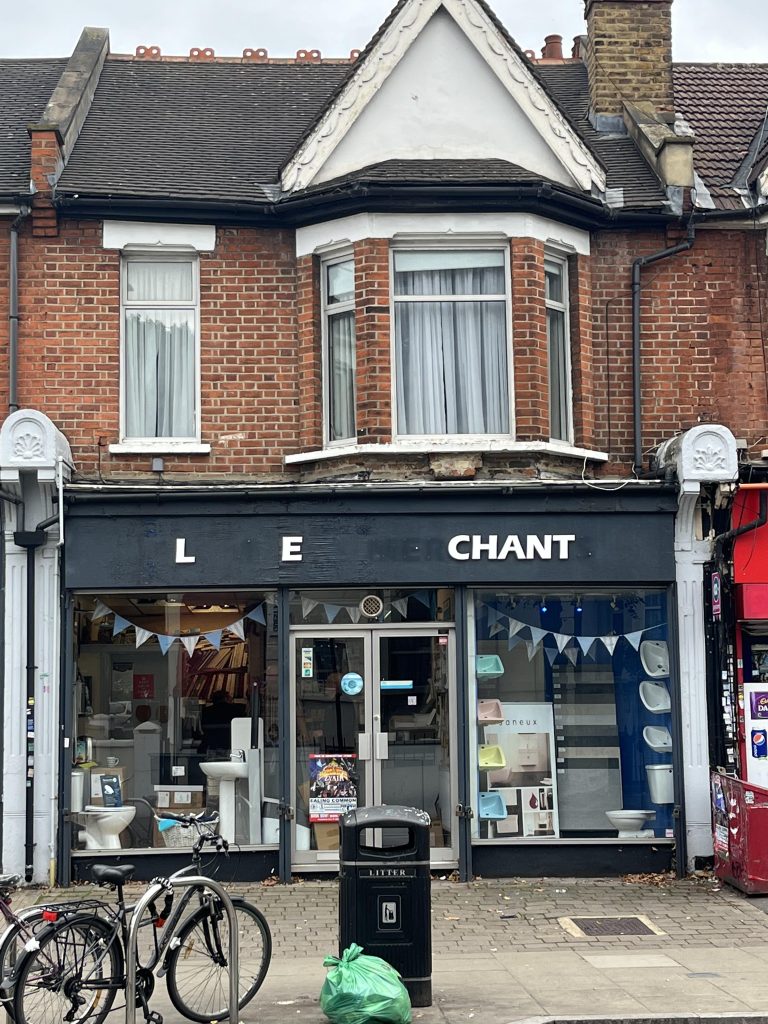
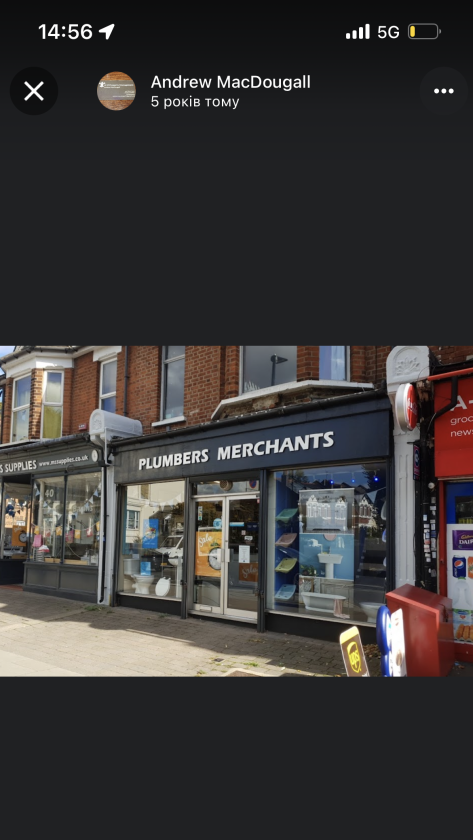
The final shot captures a signboard with missing letters for an old shop originally named ‘Plumbers Merchants,’ which was established in 2001. I discovered it accidentally while wandering on the street during this project. What remains is ‘Le chant,’ which in French means ‘singing’ and holds a strong connection to the essence of my project. This serves as a demonstration of how music and the city are closely intertwined, depending on the context in which they appear.